An introduction to defensible space and what it means for your home
During a wildfire, firefighters are trained only to protect homes and structures when it’s safe for them. Establishing a defensible space increases your home’s chance of survival when firefighters are unable to access and protect your home.
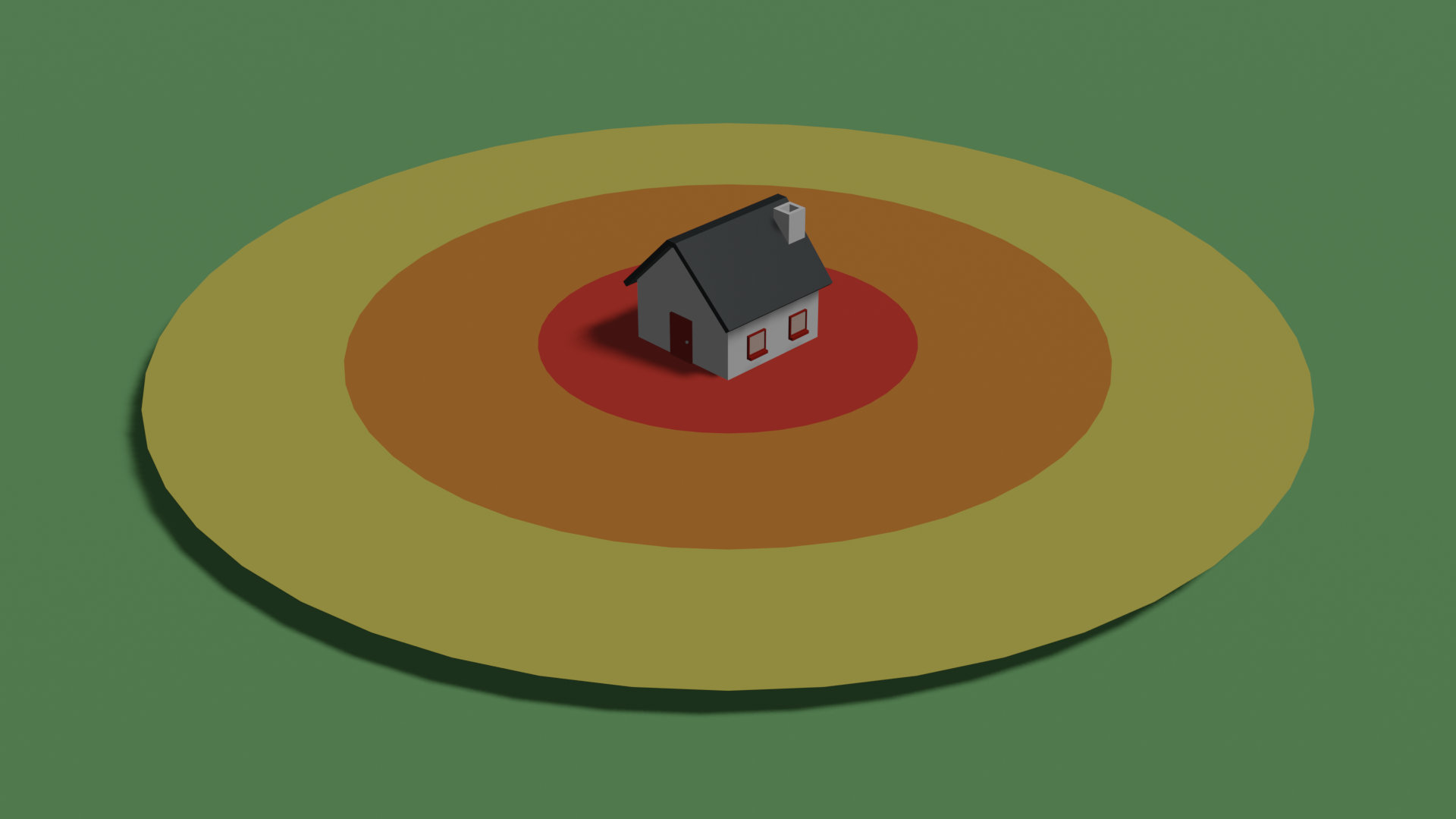
Defensible space is an area comprised of controlled zones that have been altered to reduce fire risk. The primary goal of defensible space is to create separation between potential fuels and homes and other structures. As you review the three zones, you may contact a forester, fire department staff, or community organization trained in wildfire mitigation practices for specific information in regard to your property.
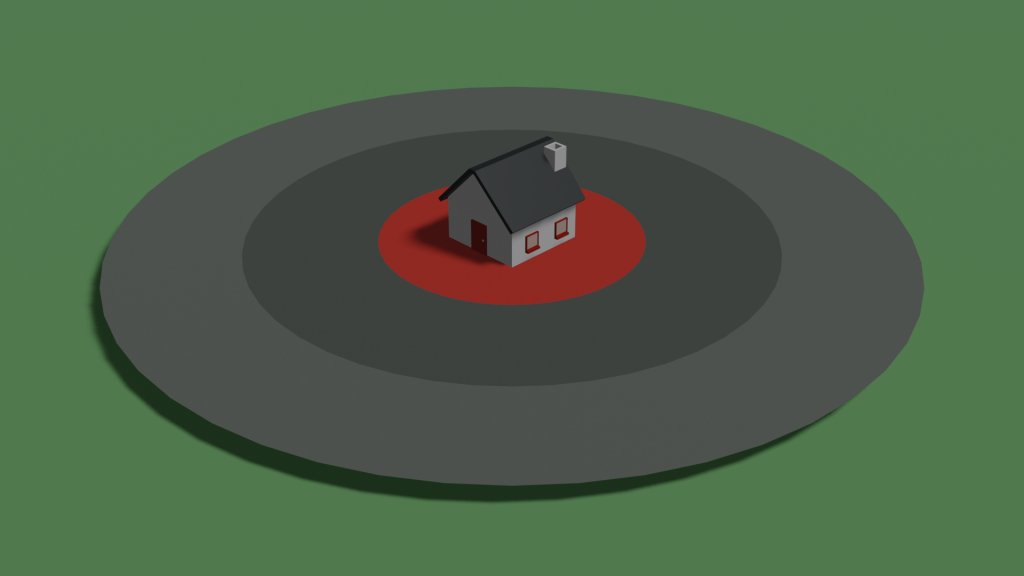
Zone 1: 0-5 Feet
The space immediately around your home should be non-combustible. The primary goal is to prevent flames from making direct contact with your home, which you can achieve by placing only non-flammable materials within this zone. Some suggested steps are as follows:
Establish a non-combustible 5 feet border surrounding your home by removing pine needles, plants, flammable shrubs, and dead leaves
Remove pine needles and other debris from the deck, roof, and gutters frequently
Replace flammable mulch with gravel, cement, and other nonflammable, hard surface materials.
Do not store firewood or other combustible materials within this zone, including beneath decks
Remove or prune branches that hang over the roof and leave 10 feet of space between fuels and the chimney
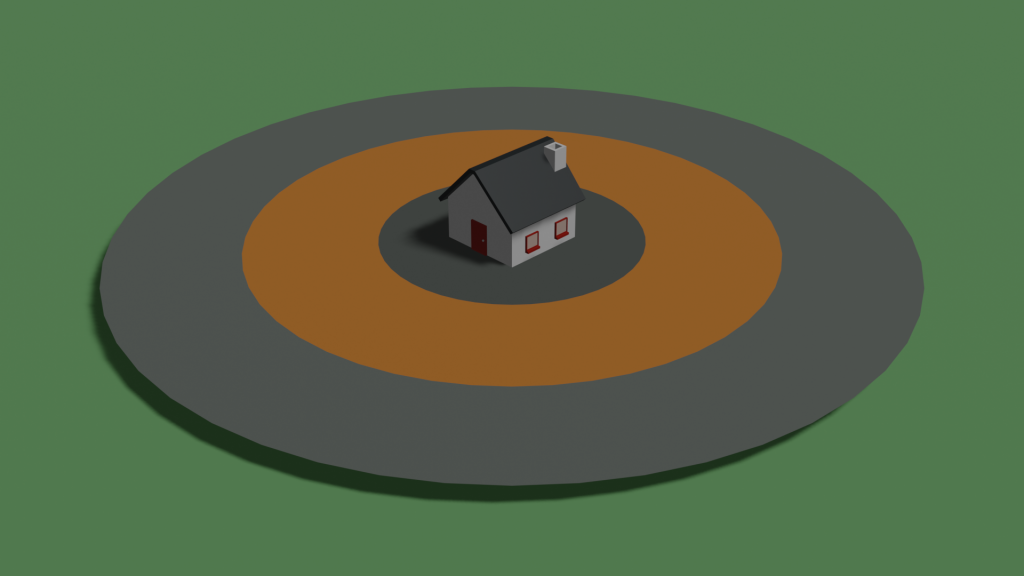
Zone 2: 5-30 Feet
The goal of this zone is to reduce a fire’s intensity as it approaches your home by lessening the number of fuels. Ways to reduce fuels are:
Plant fire-resistant shrubs or plants
Use low-grow and drought-resistant grass and mow to 4 inches tall or less
Refrain from large collections of surface fuels (logs, branches, slash, and/or mulch)
Remove common ground junipers, conifers, and gamble oak trees
Clear shrubs or small trees from underneath taller trees
Remove trees to create at least 10 feet** of space between crowns
Small groups of 2-3 trees can exist within zone 2, but spacing of 30 feet** should be maintained so fires can’t jump between these groups
Remove ladder fuels from beneath trees. Ladder fuels are any vegetation that brings fire from the ground onto trees or other tall fuels
Cut off all branches to a height of 6 to 10 feet from the ground or one third of the total height of the tree
Remove stressed, diseased or dead trees and shrubs in order to reduce the amount of vegetation available to burn and improve the health of the forest
Isolated shrubs can remain within zone 2 but must remain 10 feet** away from tree branches
Regularly trim and maintain shrubs to prevent excessive growth, and remove dead stems annually
Spacing between shrub clumps should be at least 2.5 times the shrub’s mature height. Each clump’s diameter should not exceed two times the mature height of the shrub. (i.e. if a shrub grows 4 feet tall, clumps should be spaced 10 feet or more from crown edge to crown edge. Each clump of this particular shrub should have a maximum diameter of 8 feet)
**Fire intensity can be increased in areas with steep slopes and dense forests. These spacing recommendations are minimums and can be increased. Consult a forestry, wildfire, or natural resource professional for specific guidance.
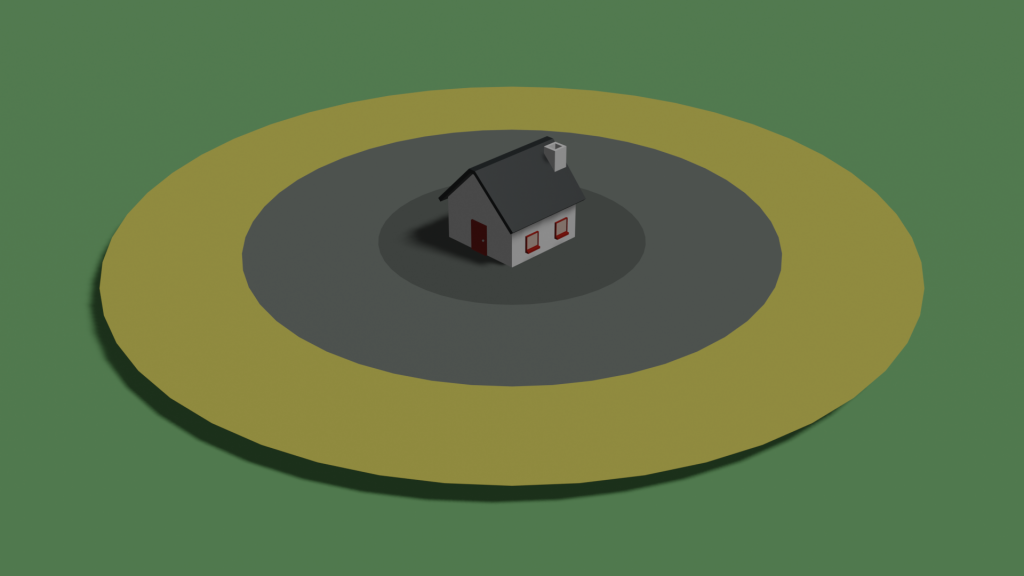
Zone 3: 30-100 Feet
The goal of this zone is to keep fire on the ground along with improving forest health. If the 100 foot distance crosses property lines, it’s suggested that you work with the owners of adjoining property to meet these goals. Some encouraged steps are as follows:
Ensure firewood is stored at least 30 feet from the home (even further if home is on a slope)
Be aware of hazards associated with ladder fuels. Separating surface fuels and removing low branches reduces the risk of surface fire moving upwards into trees
Prune the limbs of trees at least 10 feet or to ⅓ of the tree’s total height (whichever is less)
Spacing from 6 to 10 feet between crowns is recommended. Consider creating meadows or spaces between small clumps of trees
Use this zone for any approved slash treatment. Be sure to reduce any heavy build-up of slash
How to Create Your Defensible Space
Creating defensible space is crucial to your home’s survival in a wildfire and is one of the most important steps in protecting your property from damage. Be sure to contact a forester, fire department staff member, or organization trained in wildfire mitigation to adapt these guidelines and suggestions to your property’s slope and conditions.